

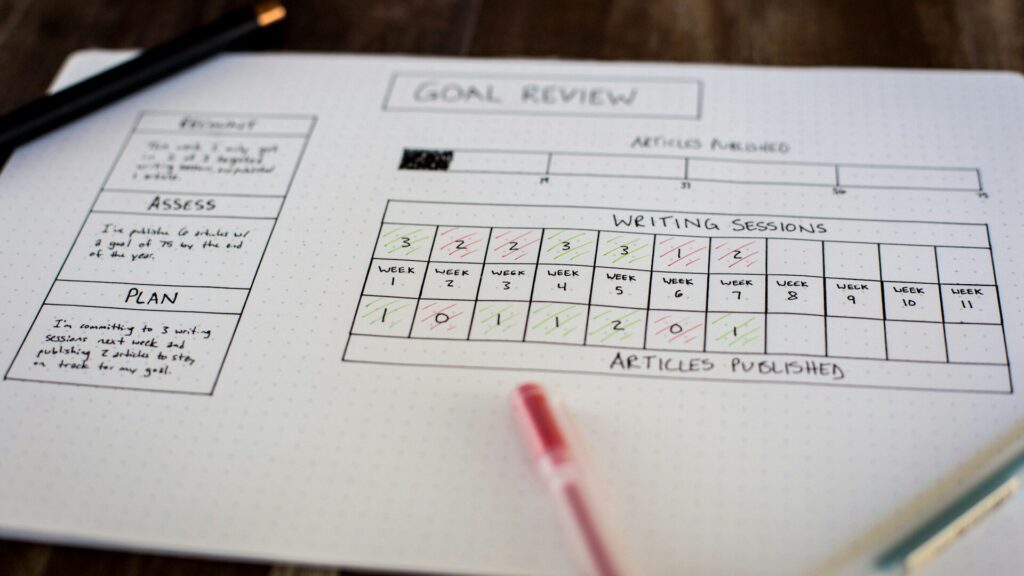
To set daily goals that fit your routine, start from your current average rather than the default, choose one or two goals that matter most, such as active minutes and sleep, and raise them gradually every week or two. Most wearables let you edit step, activity, calorie and sleep goals in the companion app. Goals you hit most days build habits; goals you rarely reach mostly create guilt.
Start From Your Real Baseline
Look at your last two weeks of data. If you average 5,000 steps, a 10,000 step default is a big jump. Set your first goal about 10 to 20 percent above your average instead. Our guide how many steps are in a mile helps translate steps into distance.
Which Goals to Use
| Goal Type | Good For | Watch Out For |
|---|---|---|
| Steps | Walking more through the day | Ignores cycling and swimming |
| Active minutes | Mixed activities | Light walking may not count |
| Active calories | Consistent movement | Estimates vary between devices |
| Stand or move hourly | Desk workers | Easy to ignore if overused |
| Sleep duration | Recovery and energy | Needs a consistent bedtime |
Calorie numbers differ between devices and calculators; see calories burned calculator for how estimates work.
How to Change Goals
- Open the companion app and find goals or targets in your profile or activity settings.
- Set steps or active minutes near your current average plus a small increase.
- Pick a sleep goal that fits your wake time.
- Turn off goals you do not care about so the watch stays focused.
- Review every one or two weeks and raise only the goals you hit most days.
Some watches adjust goals automatically based on your recent activity, which can work well if you prefer hands-off coaching.
Make Goals Fit Your Week
Life is not the same every day. Some apps let you set different goals for weekdays and weekends, or count rest days as part of a weekly target. If yours does not, think in weekly totals: hitting your goal five days out of seven is a success. Recovery days are part of training; see readiness and recovery scores explained.
Avoid Goal Burnout
- Do not raise every goal at once.
- Turn off streak pressure if missing a day makes you quit.
- Celebrate trends, not single days.
- Silence hourly reminders during meetings; see how to manage notifications.
Goals for Different Seasons
Winter weather, holidays and busy work periods change how much you move. Lowering step goals in the darkest months and raising active minutes goals when you can train indoors keeps targets realistic. When spring comes, ramp back up over a few weeks. Treating goals as seasonal settings rather than fixed rules keeps the watch encouraging instead of nagging.
Use Data to Adjust, Not Judge
If you consistently miss a goal, it is probably set too high for your current routine, not a personal failure. Lower it, hit it for a few weeks and then build again. Small, steady increases beat big jumps that fade within a month. Pair activity goals with sleep goals, since better sleep often makes hitting activity targets easier the next day.
Final Thoughts
Base goals on your real average, focus on one or two that matter, raise them slowly and judge success by the week. Goals should nudge you forward, not make you feel behind.
FAQs
Is 10,000 steps a day the right goal?
Not for everyone. Start from your average and build up.
Should I track steps or active minutes?
Active minutes suit mixed activities better. Steps suit walkers.
How often should I change my goals?
Every one to two weeks, only when you hit them most days.
Write Your Review
No reviews yet. Be the first to share your experience!