

Satellite SOS on Wearables: How Emergency Messaging Works Without Cell Service
Some watches can now reach emergency help by satellite when there is no cell signal. Here is how it works and its limits.
We independently review everything we recommend. When you buy through our links, we may earn a commission. As an Amazon Associate we earn from qualifying purchases.
Some watches can now reach emergency help by satellite when there is no cell signal. Here is how it works and its limits.

Some smartwatches can sense a severe car crash and call for help if you cannot. Here is what the sensors look for and what to set up.
Your watch can tell a hard fall from dropping onto the couch most of the time. Here is how the sensors and software decide, and where they still fall short.

Wearable stress scores track how your nervous system reacts, mostly through HRV. Here is what the numbers measure, what fools them and how to use them in daily life.

Readiness scores blend sleep, HRV, resting heart rate and recent training into one number. Here is how they are built and how to use them without letting them run your week.
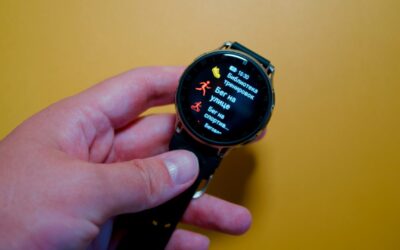
Your watch estimates VO2 max from heart rate and pace during outdoor runs or walks. Here is how the number is made, how close it gets, and how to read the trend.
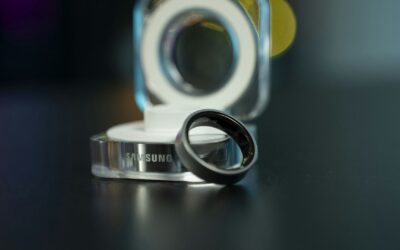
Your ring or watch does not show a thermometer reading. It compares each night to your own baseline. Here is what those small changes mean and what can affect them.

Your watch or ring cannot read brain waves, so it estimates light, deep and REM sleep from movement and heart signals. Here is how that works and how far to trust it.
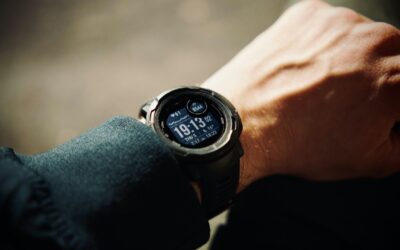
HRV measures tiny changes in the time between heartbeats, and it is one of the best recovery signals your wearable tracks. Here is how to read it.
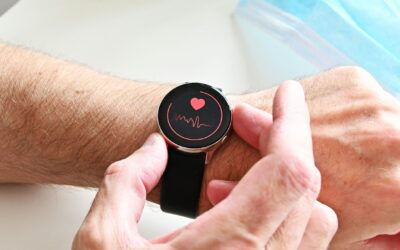
Wearables estimate blood oxygen with red and infrared light. Here is how SpO2 tracking works, what typical readings look like and why it is not a medical device.
Sign up for exclusive discounts and deal alerts. No spam, unsubscribe anytime.