
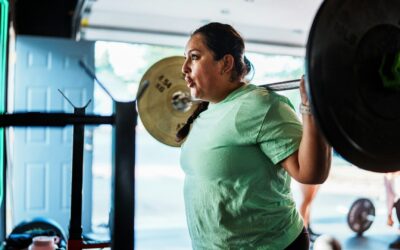
How to Track Strength Training with a Smartwatch
Smartwatches were built for cardio, but they can track lifting well with the right setup. Here is how to get useful data from strength days.
We independently review everything we recommend. When you buy through our links, we may earn a commission. As an Amazon Associate we earn from qualifying purchases.
Smartwatches were built for cardio, but they can track lifting well with the right setup. Here is how to get useful data from strength days.

Default zones are based on your age and nothing else. A few minutes of setup makes them fit your body and your training.

Most GPS errors come from starting too soon or using the wrong mode. A short pre-run routine and a few settings make your routes and pace far more reliable.

Fall detection only helps if it is switched on, the right people are listed and your parent knows what the alert looks like. Here is how to set it all up in one visit.

Emergency SOS and Medical ID take five minutes to set up and could matter a lot one day. Here is how to turn them on for the most popular wearables.
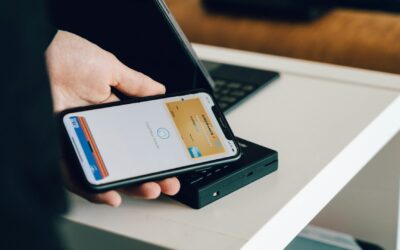
Paying from your wrist takes a few minutes to set up: turn on a screen lock, add a card in the right app, then tap. Here is how it works on each major brand.
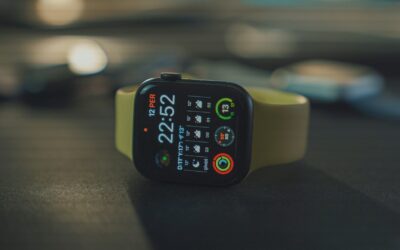
A well-planned watch face shows what you need in one glance. Here is how to edit faces and complications on the major platforms, plus tips for a clean layout.
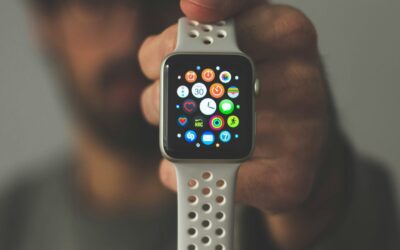
A few quick changes to the screen, sensors and notifications can add hours to your watch between charges. Here are 10 settings worth adjusting today.
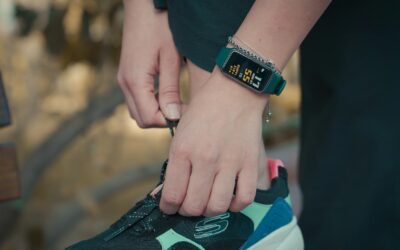
Placement and fit change heart rate accuracy more than most settings. Here is how to wear your fitness tracker for steadier readings day and night.
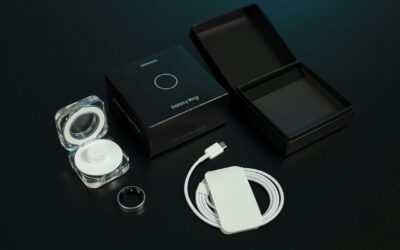
Smart ring sleep data depends on fit, finger choice and a few setup steps. Here is how to set up a smart ring so its readings are useful from the first night.
Sign up for exclusive discounts and deal alerts. No spam, unsubscribe anytime.