

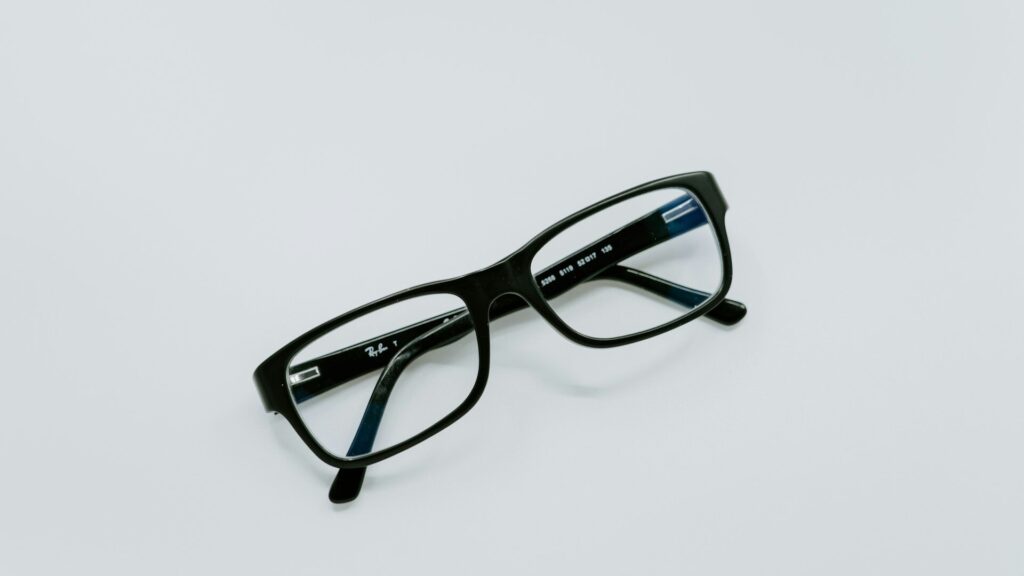
To choose smart glasses that fit, check the frame width against your face, the temple length and the weight, then confirm the model supports your prescription range and the lens type you need, such as clear, sun, polarized or light-adaptive. Smart glasses carry batteries and electronics in the temples, so they are heavier than regular frames; good fit matters even more for comfort and audio.
Key Fit Measurements
| Measurement | Why It Matters | How to Check |
|---|---|---|
| Frame width | Too narrow pinches, too wide slides | Compare with glasses that fit you now |
| Lens height | Affects field of view and progressive lenses | Check specs for lens height |
| Bridge fit | Keeps frames level and comfortable | Try on or check bridge width |
| Temple length | Positions speakers near your ears | Measure your current frames’ arms |
| Weight | Comfort over long wear | Compare listed weights |
Most frames print width, bridge and temple length inside the arm, which you can compare with smart glasses specs.
Prescription Options
- Prescription lenses made through the maker’s optical partners.
- Prescription inserts that clip behind the lenses on some display glasses.
- Range limits: strong prescriptions, high astigmatism or progressives may not be supported on every model.
Check the supported range before buying and ask your eye doctor for a current prescription with pupillary distance.
Lens Types
- Clear: indoor and evening use.
- Sun and polarized: driving and outdoors, less glare.
- Light-adaptive: darken outdoors, clear indoors, good for all-day wear.
- Blue light filter: optional for screen-heavy days.
Audio and Fit Work Together
Open-ear speakers sit near the ends of the temples. If the temples are too long or short for your head, sound shifts away from your ears and leaks more. A snug, level fit improves both sound and comfort. For more on audio, camera and display types, read our smart glasses buying guide.
Try Before You Commit
If a store nearby carries the model, try it with your usual hairstyle and hat. Otherwise, check the return policy, since prescription lenses may have different return rules. Wear them for an evening at home and note pressure points behind the ears or on the nose. Smart glasses that are uncomfortable after an hour rarely get worn. If you are still deciding whether they are for you, see are smart glasses worth it.
Face Shape and Style
Frame shape affects how smart glasses look and sit. Rounder faces often suit more angular frames, and angular faces often suit softer shapes, but comfort comes first. Larger frames give more room for lenses and sometimes better battery placement, while smaller frames feel lighter. Pick a style you would wear even without the tech, since you will see it in the mirror every day.
Caring for the Fit
Opticians can adjust temples and nose pads on many models. Keep them clean and stored in their case; see how to clean smart glasses lenses. Browse models in our smart glasses section, and compare comfort with other wearables in our smartwatch size guide.
Final Thoughts
Match frame width, bridge and temple length to glasses that already fit you, confirm the prescription range and pick the right lens type. A good fit makes smart glasses comfortable and sound better.
FAQs
Can I get progressive lenses in smart glasses?
Some models support them. Check the maker’s lens options.
Are smart glasses heavier than normal glasses?
Yes, slightly. The temples hold batteries and speakers.
Can an optician adjust smart glasses?
Often, yes, for temples and nose pads. Ask before making changes.

Write Your Review
No reviews yet. Be the first to share your experience!