

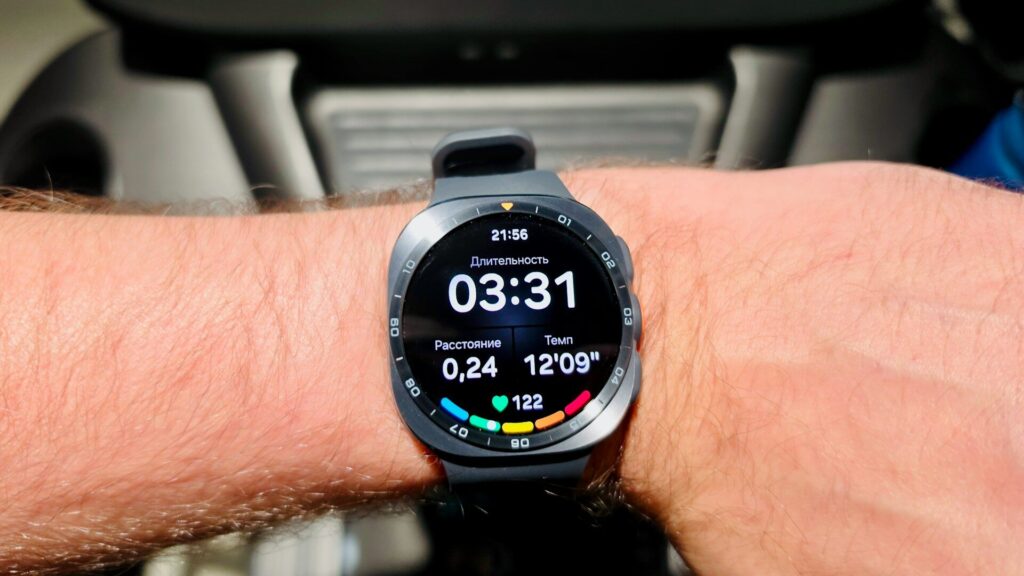
The main difference in AMOLED vs MIP displays is brightness and color versus battery life and sunlight readability. AMOLED screens are vivid, sharp and bright, ideal for notifications, maps and apps, but they use more power. MIP (memory-in-pixel) screens reflect ambient light, so they are easy to read in direct sun and sip battery, allowing weeks between charges on some watches, but colors are muted and the screen looks dim indoors without its backlight.
Side-by-Side Comparison
| Factor | AMOLED | MIP |
|---|---|---|
| Brightness and color | Vivid, high contrast | Muted, lower contrast |
| Direct sunlight | Good on bright panels | Excellent, gets clearer in sun |
| Indoors and at night | Excellent | Needs the backlight |
| Battery life | Shorter | Much longer |
| Always-on display | Uses extra battery | Always visible by design |
| Typical watches | Apple Watch, Galaxy Watch, Pixel Watch, many Garmin and Amazfit models | Many Garmin Instinct, Fenix and Forerunner models |
Who Should Choose AMOLED
- People who use the watch for messages, apps and watch faces.
- Anyone who wants maps and photos to look clear.
- Owners who charge every night or every few days without fuss.
- Indoor-heavy routines like office work and gym sessions.
Who Should Choose MIP
- Ultrarunners, hikers and outdoor workers who need long battery life.
- Anyone who spends hours in bright sun.
- People who rarely want to think about charging.
- Those who prefer a simple, glanceable data screen.
Battery life expectations are covered in should you charge your smartwatch every night.
Hybrid and Newer Screens
The line between the two is blurring. Some watches pair an efficient AMOLED panel with power-saving modes that stretch battery to a week or more, while a few rugged models add a solar layer to a MIP screen for even longer runtime. Others use LTPO AMOLED panels that slow the refresh rate when the screen is idle. When comparing watches, look at the rated battery life with your typical features turned on, not just the screen type, because GPS use and notifications matter as much as the display.
Always-on and Battery
MIP screens are effectively always on and barely affect battery. AMOLED screens can be set to always-on, but that often reduces battery life noticeably. Newer efficient AMOLED panels lower the cost, and dark watch faces help further. See always-on display explained for settings that reduce the drain.
Durability and Glass
Screen type and glass are separate choices. Both AMOLED and MIP watches can come with sapphire or strengthened glass; rugged models are more likely to have tougher covers. Protect either type with a screen protector if you work outdoors or lift weights; see how to protect your smartwatch screen.
How to Decide in the Store
If you can, look at both screens outdoors and indoors. AMOLED panels stand out in a bright store, which can make MIP look dull even though it may suit you better on a sunny trail. Think about where you check your watch most and how often you are willing to charge. Then compare models within that screen type using how to choose a running watch or Garmin vs Apple Watch.
Final Thoughts
Choose AMOLED for a bright, colorful smartwatch experience and MIP for maximum battery life and sunlight readability. Your daily routine and charging habits decide which matters more.
FAQs
Is AMOLED or MIP better for running?
Both work. AMOLED looks better; MIP lasts longer and reads easily in sun.
Why does my MIP screen look dim indoors?
It relies on ambient light. Use the backlight or a gesture to light it.
Do AMOLED watches have shorter battery life?
Usually yes, especially with always-on enabled.

Write Your Review
No reviews yet. Be the first to share your experience!