

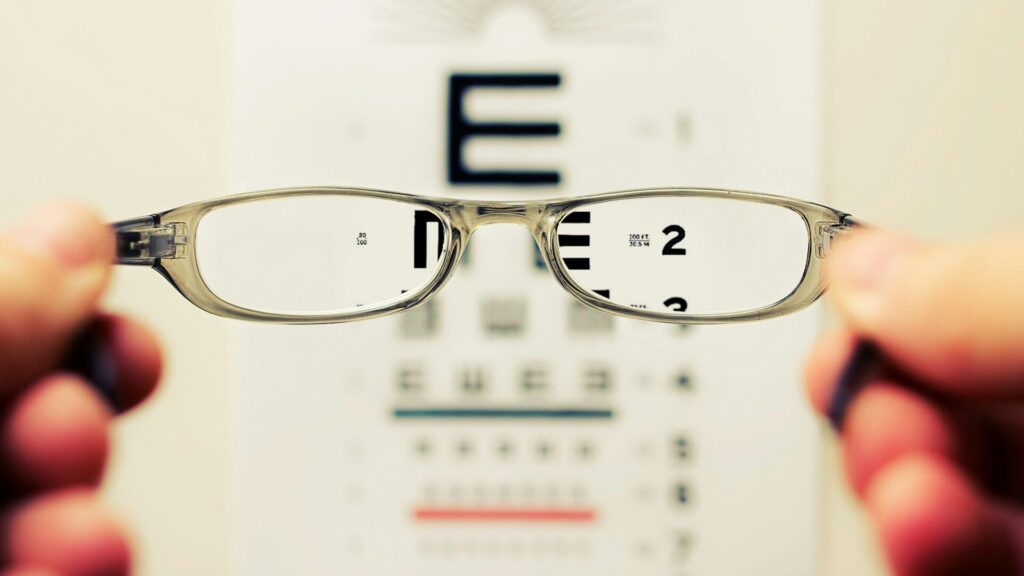
Are smart glasses worth it? They are for people who already wear glasses or sunglasses most of the day and want open-ear audio, hands-free calls, quick first-person photos or a heads-up display. They are less worth it if you need top audio quality, long battery life or a phone-free experience, or if privacy concerns around cameras bother you or the people around you.
What Smart Glasses Do Well
- Open-ear audio: music and calls while staying aware of traffic and people.
- Hands-free capture: camera models take photos and video from your point of view.
- Voice assistant: ask questions, set reminders and send messages without the phone.
- Fewer devices: sunglasses and earbuds in one.
- Display models: directions, captions or a private screen in your view.
Where They Fall Short
| Limit | Why It Matters |
|---|---|
| Audio quality | Less bass and some sound leak compared with earbuds |
| Battery life | Several hours, so a charging case is often needed |
| Privacy concerns | Cameras can make others uncomfortable, and some places ban recording |
| Prescription limits | Not every prescription is supported |
| Phone dependence | Most features rely on a paired phone |
| Weight and fit | Thicker temples than regular glasses |
Who Gets the Most Out of Them
Commuters and walkers who want calls and podcasts without earbuds, travelers and creators who want quick first-person photos, and people who already wear sunglasses daily see the biggest benefit. Display glasses suit people who want directions or captions without looking down. Our smart glasses buying guide explains the three main types.
Who Should Skip Them for Now
- Audiophiles who want the best sound.
- Anyone who needs all-day battery without a case.
- People uncomfortable with cameras near their face, or who work where recording is banned.
- Those with prescriptions outside a model’s supported range.
Smart Glasses vs Other Wearables
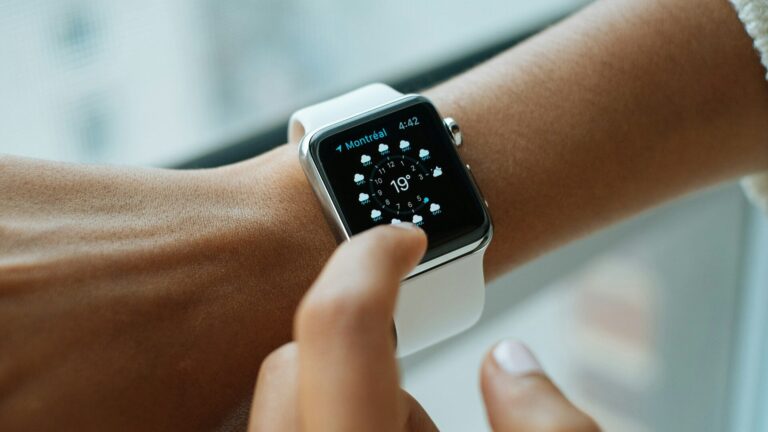
Smart glasses cover audio and capture, while smartwatches handle health tracking, notifications and payments. They complement each other rather than compete. If health data is your priority, a watch or ring is the better first purchase; see smart ring vs smartwatch and smartwatch vs fitness tracker.
How Much Use They Get Day to Day
Owners who get the most from smart glasses tend to use them for one or two specific things every day, such as calls on the commute or quick photos on walks. Those who buy them for every feature at once often find the battery runs out early or the novelty fades. Picking the one job you most want them for makes it easier to choose a model and to judge whether they earn a place in your routine.
Tips if You Decide to Buy
- Try them on in a store if possible, with your usual hairstyle and hat.
- Confirm prescription support and lens options.
- Check the return window and how the charging case works.
- Read the privacy settings in the app before first use.
- Keep the lenses clean; see how to clean smart glasses lenses.
Browse current models in our smart glasses section.
Final Thoughts
Smart glasses are worth it if you live in glasses or sunglasses and want open-ear audio, hands-free capture or a heads-up display. If you need top sound, long battery or a camera-free device, wait or choose earbuds and a watch.
FAQs
Do smart glasses work without a phone?
Most features need a paired phone. Some basic functions work standalone.
Are smart glasses good for calls?
Yes, in most conditions. Very windy places can still be a challenge.
Can people tell when smart glasses are recording?
Most camera models show a recording light.

Write Your Review
No reviews yet. Be the first to share your experience!