

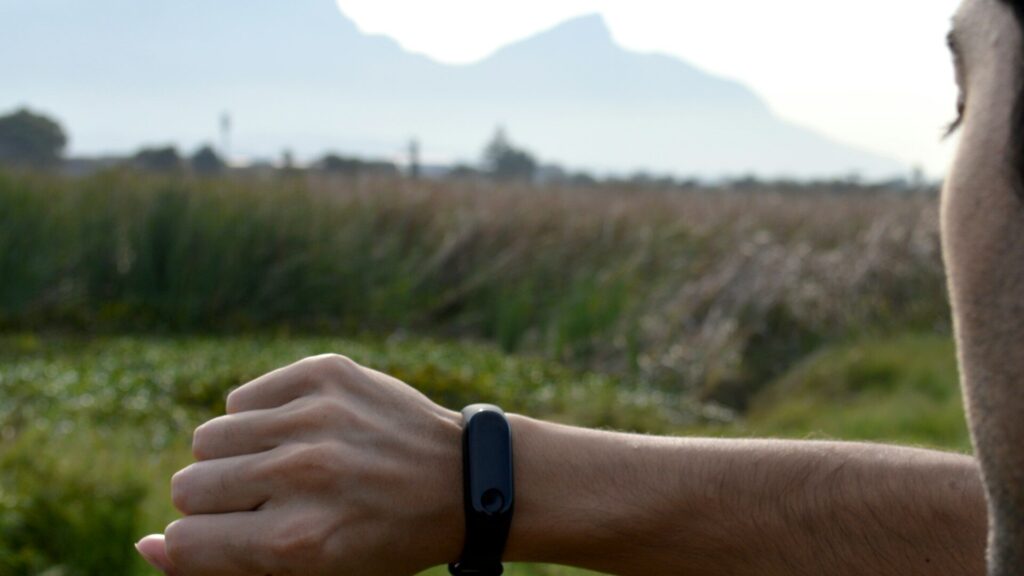
Both sit on your wrist, count steps and track sleep, so the line between them can look blurry. The smartwatch vs fitness tracker choice really comes down to one question: do you want a small health companion you forget you are wearing, or a second screen for your phone?
The Core Difference
A fitness tracker is built around health data. It records activity, heart rate and sleep, then sends the details to a phone app. A smartwatch does the same tracking but adds apps, richer notifications, payments and often calls, with a larger screen to handle them.
Quick answer: pick a fitness tracker for long battery life and comfort, and a smartwatch if you want to reply, pay and run apps from your wrist.
Side-by-side Comparison
The table below compares the two categories on the features buyers ask about most.
| Feature | Fitness Tracker | Smartwatch |
|---|---|---|
| Battery life | Usually 5 to 14 days | Usually 1 to 3 days, longer on some models |
| Screen | Narrow, glanceable | Large, touch-friendly |
| Apps | Few or none | App store with third-party apps |
| Notifications | Read only on most | Read, reply and act |
| GPS | Often uses the phone’s GPS | Built-in GPS on most models |
| Payments | Limited models | Common |
| Comfort for sleep | Light and slim | Bulkier on some wrists |
Who Should Buy a Fitness Tracker
- Sleep trackers: a slim band is easier to forget at night.
- Charging haters: a week or more per charge suits busy schedules.
- Phone-first people: if you prefer to answer messages on your phone, extra apps add little.
- Light exercisers: steps, heart rate and sleep cover most goals.
Browse slim options in our fitness bands section.
Who Should Buy a Smartwatch
- Runners and cyclists: built-in GPS maps routes without carrying a phone.
- Busy professionals: quick replies and calendar alerts save phone checks.
- Tap-to-pay users: wallet support is standard on major brands.
- Safety-minded buyers: fall detection and emergency SOS are more common on smartwatches.
Our guide on how to choose a smartwatch walks through the features that matter most.
The Middle Ground
Some wearables blur the line. Fitness-focused smartwatches such as the Fitbit Versa and Amazfit Active lines pair a full screen with multi-day battery, and running watches from Garmin keep apps light in exchange for longer battery and stronger training data. Read our Fitbit Versa 4 review for one example of this hybrid style.
How to Decide in Four Steps
- List the three things you want from a wearable every day.
- Decide how often you are willing to charge it.
- Check that the device works with your phone.
- Set a budget using our guide on how much to spend on a smartwatch.
Final Thoughts
In the smartwatch vs fitness tracker decision, a tracker wins on comfort and battery, and a smartwatch wins on apps, payments, GPS and replies. If your goals are steps, sleep and heart rate, a tracker is enough. If you want your wrist to take over small phone tasks, choose a smartwatch.
Compare current models in our smart watches section.
FAQs
Is a fitness tracker more accurate than a smartwatch?
Not necessarily, since both use similar optical sensors. Accuracy depends more on fit and the brand’s software than on the category.
Can a fitness tracker show text messages?
Yes, most show notifications. Replying is usually limited or not available.
Do fitness trackers have GPS?
Some do, but many borrow GPS from your phone. Check for built-in GPS if you want to run without your phone.
Which lasts longer on a charge?
Fitness trackers, often by several days. Smaller screens and fewer apps use less power.


Write Your Review
No reviews yet. Be the first to share your experience!