

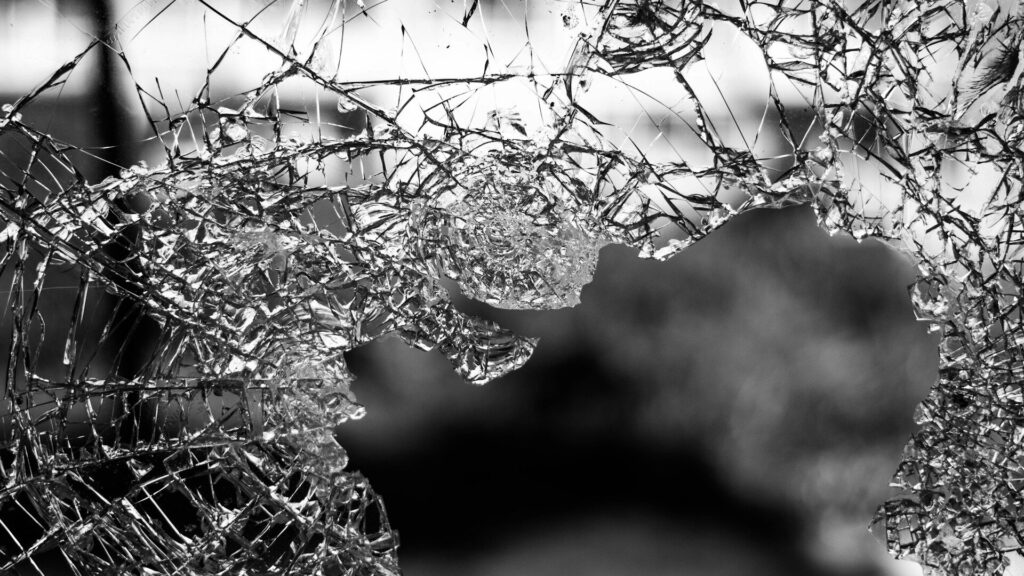
A screen protector is usually enough if you mainly worry about scratches from desks, keys and daily wear. A bumper case is better if you work with your hands, hike, climb or tend to knock your watch against door frames, because it protects the edges where most cracks start. A full cover with built-in glass protects both but adds bulk and can trap moisture. The right screen protector or bumper case depends on how rough your days are.
Types of Protection Compared
| Type | Protects | Tradeoffs |
|---|---|---|
| Thin film (TPU) | Light scratches | Can look wavy at curved edges |
| Tempered glass | Scratches and some impacts | Thicker, may lift on curved screens |
| Bumper case | Edges and corners | Screen face still exposed |
| Full cover with glass | Screen and edges | Bulky, can trap water and sweat |
| No cover | Nothing extra | Best look and feel, relies on built-in glass |
Know Your Built-in Glass
Many premium watches already use sapphire crystal, which resists scratches well but can still crack from a hard knock. Others use strengthened glass that scratches more easily but may flex a bit more. Our comparison of sapphire crystal vs Gorilla Glass explains the difference. A sapphire watch often needs edge protection more than a film.
Match Protection to Your Day
- Office and casual wear: a thin film or nothing at all.
- Gym and home projects: a slim bumper to guard edges.
- Construction, climbing, trail work: a rugged bumper or full cover.
- Swimming: avoid full covers that can trap water against the screen.
Outdoor users should also read keeping your smartwatch safe during sports and outdoor work.
Common Problems and How to Avoid Them
- Bubbles under film: clean the screen with the included wipe and apply in a steamy bathroom to reduce dust.
- Touch not registering: thick glass or a misaligned edge can block touches. Reapply or switch to a thinner option.
- Trapped moisture: remove full covers after swims and sweaty sessions to dry the watch.
- Grime under bumpers: take the bumper off weekly to clean underneath.
If your screen stops responding, see touchscreen not responding on your smartwatch.
Already Scratched?
Light scratches on glass can sometimes be hidden with a fresh film, while scratches on aluminum or steel cases may be polished depending on the finish. Read how to remove scratches from a smartwatch and how to protect your smartwatch screen for more.
Protection is also about habits. Many cracks happen when the watch hits a door frame, a countertop edge or a barbell, so swapping the watch to the other wrist during certain chores can help. Taking it off for heavy lifting or rough work is often simpler than adding bulky cases. Whatever you choose, check the case and screen now and then so small chips do not grow into bigger cracks.
Final Thoughts
Use a film for everyday scratch protection, a bumper for edge knocks and a full cover only when you truly need maximum protection. Whatever you choose, remove it now and then to clean and dry the watch underneath.
FAQs
Do smartwatches need a screen protector?
Not always. Sapphire screens resist scratches well, but a film helps strengthened glass.
Do bumper cases affect water resistance?
They do not change the watch’s rating. But they can trap water, so dry underneath.
Can a screen protector make touch less accurate?
Thick or misaligned protectors can. Thin, well-fitted ones usually work fine.
Write Your Review
No reviews yet. Be the first to share your experience!