

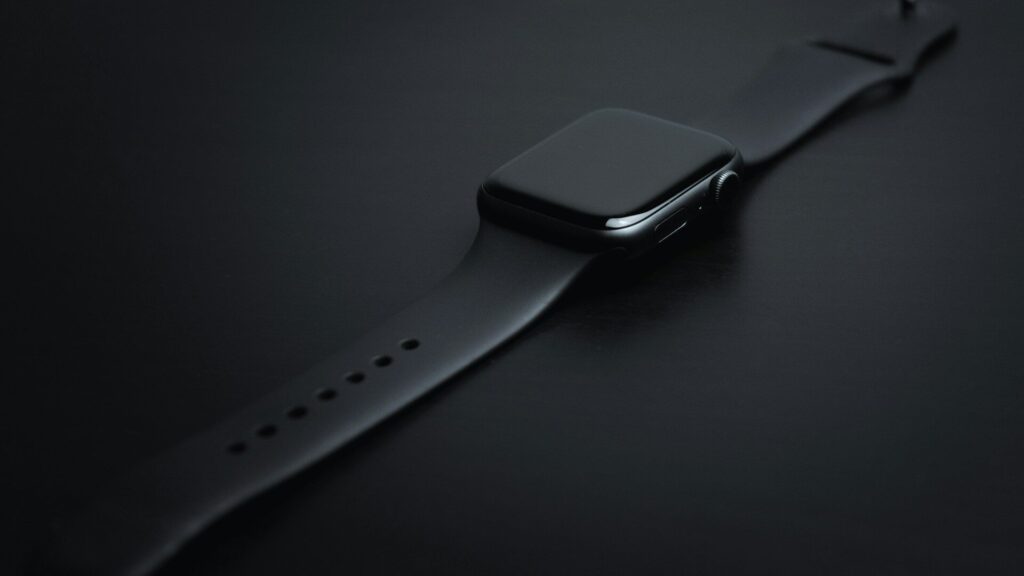
To choose a replacement watch band that actually fits, first match the connector to your watch (quick-release pins, a proprietary slot or a specific lug width), then pick the right length for your wrist and finally choose a material that suits how you wear the watch. Measuring your wrist with a strip of paper or a soft tape takes a minute and avoids bands that are too tight for workouts or too loose for accurate heart rate readings.
Step 1: Match the Connector
| Connector Type | How to Identify It | What to Buy |
|---|---|---|
| Proprietary slot | Band slides into a groove on the case | Bands made for that exact model and case size |
| Quick-release pins | Small lever on the spring bar | Bands in the same lug width, often 20 or 22 mm |
| Quick-fit or clip systems | Band snaps in with a latch | Bands in the brand’s matching size |
| Fixed band | No visible release | Check whether replacement is supported |
Lug width is the gap between the two lugs where the band attaches, measured in millimeters. It is usually listed in the watch specs. Our guide on how to swap watch bands without breaking the pins shows how to change them safely.
Step 2: Measure Your Wrist
- Wrap a strip of paper or soft tape around your wrist where you wear the watch, just above the wrist bone.
- Mark where it overlaps and measure the length.
- Compare with the band’s stated fit range, which is often listed as small, medium or large.
- If you are between sizes, choose the range where your measurement sits near the middle.
For the case itself, see how to pick the right smartwatch size for your wrist.
Step 3: Pick the Right Material
- Silicone or fluoroelastomer: best for workouts, swimming and sweat.
- Nylon loop: light, breathable and easy to fine-tune for comfort.
- Leather: dressy and soft, but not for water or heavy sweat.
- Metal link or mesh: polished look for work, a bit heavier.
- Hybrid: leather on top with a sweat-resistant underside for mixed use.
Fit Matters for Accuracy
Optical heart rate sensors need steady skin contact. A band that is too loose lets light leak in and can make readings jumpy, while one that is too tight is uncomfortable and can leave marks. Many people tighten one notch during workouts and loosen it the rest of the day. Read how to wear your fitness tracker for accurate heart rate readings for the details.
Comfort and Skin Tips
If your skin is sensitive, choose smooth, breathable materials and keep the band clean and dry. Our guide on preventing skin irritation from wearing a fitness tracker covers simple habits. Rotating two bands also gives each one time to dry fully.
It also helps to think about how you will use the band through the week. Many people keep one sport band for workouts and one nicer band for work or evenings. Quick-release pins make swapping take seconds, so owning two bands is often more useful than searching for one that does everything. Store spare bands flat or loosely coiled so they keep their shape and do not crease.
Final Thoughts
Match the connector first, measure your wrist second and choose the material for your day third. That order prevents most returns and gives you a band that feels good, stays secure and helps your sensors read accurately.
FAQs
How do I know my watch band size?
Check the lug width or band slot size in your watch specs. Then match the length to your wrist.
Can I use any 22 mm band on a 22 mm watch?
Usually, if it uses standard spring bars. Proprietary connectors need matching bands.
Which band is best for workouts?
Silicone or fluoroelastomer. They handle sweat and water well.

Write Your Review
No reviews yet. Be the first to share your experience!