

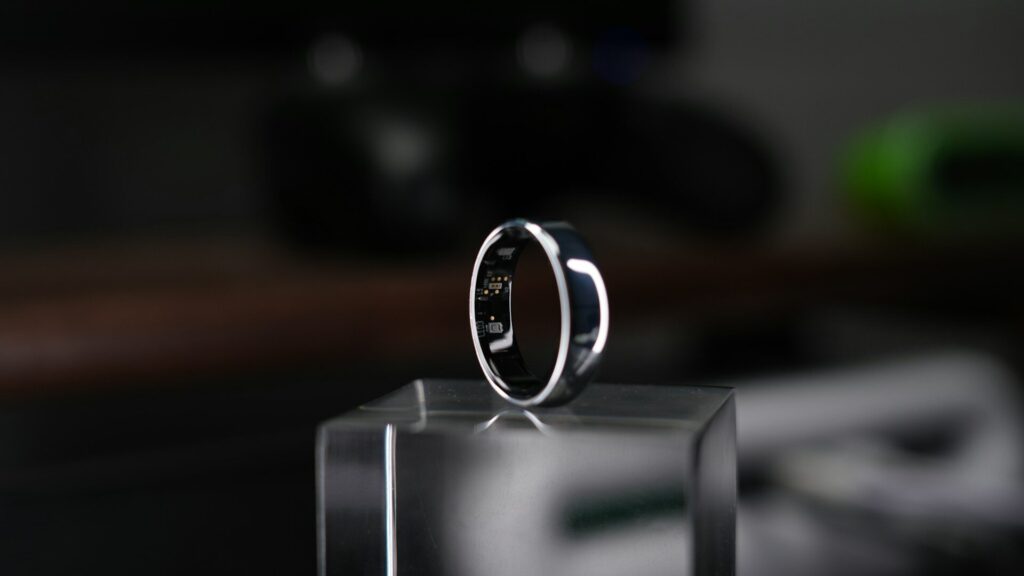
Smart rings look similar on the outside, but their business models differ. Some brands include every feature with the ring. Others keep key scores and long-term insights behind a monthly membership. If you are comparing smart rings without a subscription, the real question is which features you will miss and whether they matter for your goals.
It also helps to know that the sensors inside are similar across most rings. Heart rate, HRV, skin temperature and motion are standard. The difference is mostly in software: how the app turns raw readings into scores, advice and long-term reports, and how much of that it gives you for free.
Two Ways Brands Charge
- Membership model: the ring collects data either way, but full sleep, readiness and trend insights need a monthly or yearly plan.
- One-time model: core tracking and scores are free, sometimes with optional paid extras such as guided programs.
Free vs Paid: What Usually Changes
| Feature | Usually Free | Often Paid on Membership Rings |
|---|---|---|
| Sleep duration and stages | Yes | Detailed breakdown and scores |
| Heart rate and HRV | Yes | Long-term trends and context |
| Readiness or recovery score | On no-fee rings | Yes |
| Temperature trends | Raw readings | Interpreted insights |
| Guided programs and content | Rarely | Yes |
For a side-by-side list of rings that keep scores free, see our roundup of smart rings without a subscription.
What You Give Up
Rings with a membership often have the most polished apps, with clear daily advice, long-term reports and partner integrations. You may also get more frequent feature updates, since the fee funds ongoing development. If you love digging into trends and want coaching-style guidance, that can be worth paying for.
Many membership brands offer a free trial with the ring. Use it on purpose: note which screens you open each morning during the trial, then check whether those screens stay available after it ends. That simple habit shows you what the fee would really buy.
What You Save
A no-fee ring costs nothing extra over its life. If you plan to keep a ring for three or four years, membership fees can add up to a meaningful share of the purchase price. Rings without fees also keep working at full strength if you pause, so you never lose access to your own scores. Our smart ring buying guide covers other costs, such as replacement chargers.
How to Decide
- List the two or three insights you will actually check each morning.
- Look up whether each one is free or paid on the rings you are considering.
- Add the yearly membership cost over the years you plan to keep the ring.
- Check phone support, since some rings work with one platform only.
If sleep is your main goal, our guide on choosing a smart ring for sleep and recovery helps you narrow the list. You can also compare against watches and bands in our fitness trackers without a subscription list.
Final Thoughts
Smart rings without a subscription give you sleep, heart rate and readiness data for a single upfront cost. Membership rings add polish, deeper trends and guided content for a monthly fee. Neither is wrong. Match the plan to the insights you will use, and check the total cost over the life of the ring.
FAQs
Does a smart ring work without a subscription?
Yes, all rings still collect data. On membership rings, some scores and insights are hidden until you pay.
Can I cancel a ring membership later?
Usually yes. You keep basic tracking, but paid insights and some history views may stop showing.
Are no-fee smart rings less accurate?
Not because of the fee. Accuracy depends on sensors, fit and software, not on whether the app is free.



Write Your Review
No reviews yet. Be the first to share your experience!