


Fitness trackers no longer have to live on your wrist. You can clip one to your waistband, wear a slim band or slip on a smart ring. Each tracker style has strengths and tradeoffs in comfort, accuracy and what it measures. The right choice depends on how you spend your day and what data you care about most.
The Three Styles at a Glance
| Style | Best For | Strengths | Weaknesses |
|---|---|---|---|
| Clip-on | Steps and simple activity | Invisible, no wrist needed | Limited heart rate and sleep data |
| Wristband | All-round tracking | Screen, workouts, notifications | Visible, can be uncomfortable at night |
| Ring | Sleep and recovery | Comfortable, discreet, long battery | No screen, sizing matters |
Clip-On Trackers
Clip-on trackers attach to a waistband, bra or pocket. They are excellent step counters because they sit close to your body’s center of motion. They suit people who cannot wear anything on their wrist at work, such as healthcare workers or people in some trades. Most offer limited heart rate or sleep tracking.
Wristbands
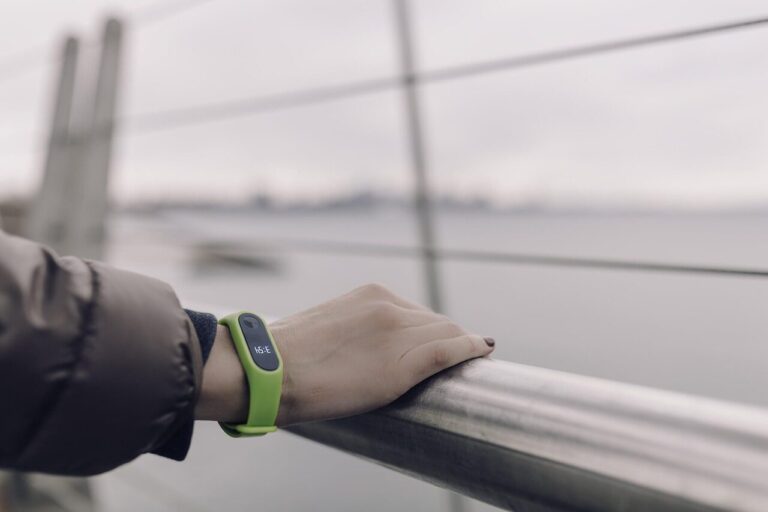
Wristbands are the most versatile style. They track steps, heart rate, workouts and sleep, and most have a small screen for time and notifications. Some include GPS. They suit people who want workout data on the wrist. Our guide on choosing a fitness band covers features to look for.
Smart Rings
Rings are the most discreet option and often the most comfortable for sleep. They track heart rate, HRV, skin temperature and sleep stages well. They lack a screen and usually do not track workouts as well as a wristband. Size accuracy is important, so read how to measure your ring size and our smart ring buying guide.
Match the Style to Your Day
- Office worker who wants more steps: wristband or clip-on.
- Night-shift or sleep-focused user: ring.
- Gym regular or runner: wristband or smartwatch.
- Job with wrist restrictions: clip-on or ring.
- Style-conscious user: ring or a slim band.
Some people combine a ring for sleep with a watch for workouts. Comfort matters most, since the best tracker is the one you actually wear.
Final Thoughts
Pick a tracker style based on your routine: clip-ons for simple step counting where wrists are off-limits, wristbands for all-round tracking and workouts, and rings for comfortable sleep and recovery data. Try to match the device to the data you will actually use. For screen-free options, see who should buy a screenless tracker.
FAQs
Are clip-on trackers accurate for steps?
Yes, often very accurate. They sit near your body’s center of motion.
Can a smart ring replace a fitness band?
For sleep and recovery, yes. Bands are better for live workout data.
Which tracker style is most comfortable for sleep?
A smart ring, for most people. It is small and stays snug.


Write Your Review
No reviews yet. Be the first to share your experience!