

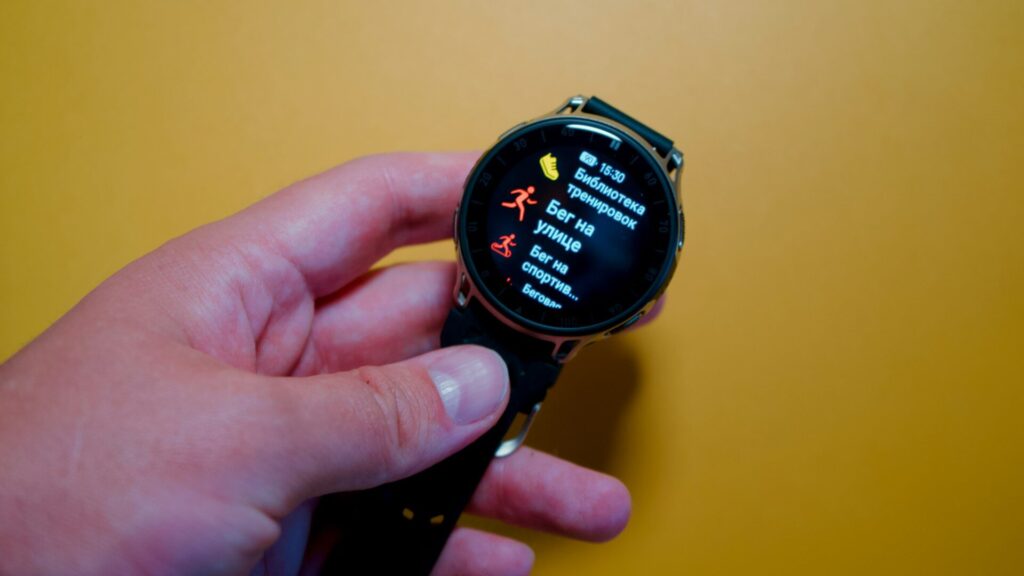
VO2 max is the most oxygen your body can use during hard exercise, measured in milliliters per kilogram per minute. It is one of the best single markers of cardio fitness. A lab measures it with a mask and a treadmill. Your smartwatch estimates it from data you already collect on everyday runs and walks.
How Your Watch Estimates VO2 Max
The idea is simple: a fitter heart pumps more blood per beat, so you can move faster at the same heart rate. The watch compares your speed from GPS with your heart rate from the optical sensor, then feeds both into a model that also uses your age, sex, weight and sometimes your maximum heart rate.
- Running and walking: most watches need an outdoor session with GPS and a steady effort for at least several minutes.
- Cycling: some Garmin models estimate cycling VO2 max when you pair a power meter.
- Apple Watch: shows the result as Cardio Fitness in the Health app after outdoor walks, runs or hikes.
Accurate heart rate is the foundation, so it helps to know how optical heart rate sensors work and where they struggle.
How Accurate Is the Number?
Research on wrist estimates shows group averages often land close to lab values, while an individual reading can be off by several points in either direction. Estimates tend to be less reliable for very fit athletes and for people who rarely exercise hard enough for the model to see a clear pattern.
| Factor | Effect on the Estimate |
|---|---|
| Loose watch band | Heart rate errors that skew the result |
| Hilly or stop-start routes | Pace changes the model may misread |
| Heat and humidity | Higher heart rate, lower estimate for the day |
| Wrong max heart rate in settings | Consistent bias up or down |
| Treadmill or indoor runs | Often not used, since there is no GPS pace |
Getting Steadier Readings
- Enter your correct age, weight and height in the watch app.
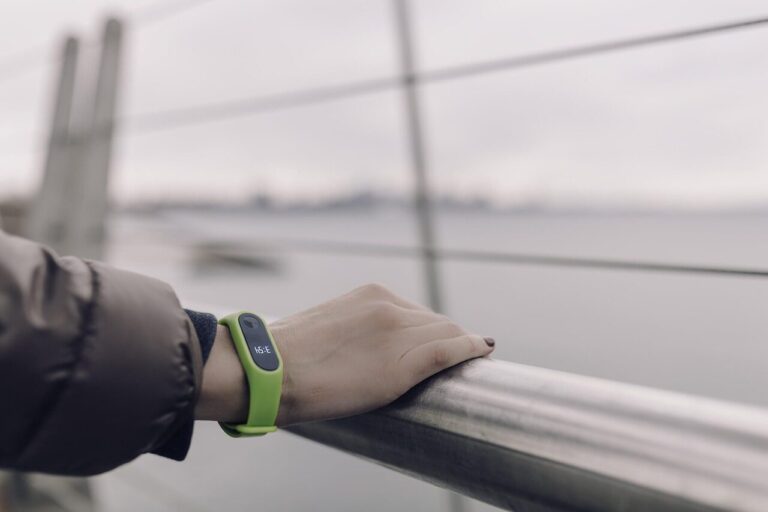
- Wear the watch snug, about a finger width above the wrist bone. Our guide on wearing a tracker for accurate heart rate shows the right spot.
- Run or walk outdoors on flat routes when you can, at a steady, moderate to hard effort.
- Let the watch get a solid GPS lock before you start.
- Give it a few weeks of regular sessions before trusting the number.
Reading the Trend, Not the Day
A single estimate matters less than the direction over weeks. If your value rises slowly while your training stays consistent, your aerobic fitness is likely improving. A sudden drop after a hot week or a cold is usually noise. Compare like with like: similar routes, similar weather, similar effort.
What to Do With Your Score
Use it as motivation and context. Many watches compare your value with others of your age and sex, which helps set goals. Some training apps also use it to suggest race times or training zones. You can cross-check your result with our VO2 max calculator, which uses a simple field formula.
Final Thoughts
Smartwatch VO2 max is an estimate, not a lab measurement, but it is a useful one when you read it as a trend. Get the basics right, keep your routes consistent and watch the line over months. For more on how watches judge recovery, see our HRV explainer.
FAQs
Why does my VO2 max not show up?
The watch has not collected a qualifying session yet. Most need an outdoor run or brisk walk with GPS and enough effort to raise your heart rate.
Can VO2 max improve with training?
Yes, especially with steady cardio and some interval work. Gains are usually slow and show up over several weeks.
Why is my estimate lower in summer?
Heat raises your heart rate at the same pace. The watch reads that as lower fitness, so cooler days often give higher values.


Write Your Review
No reviews yet. Be the first to share your experience!