

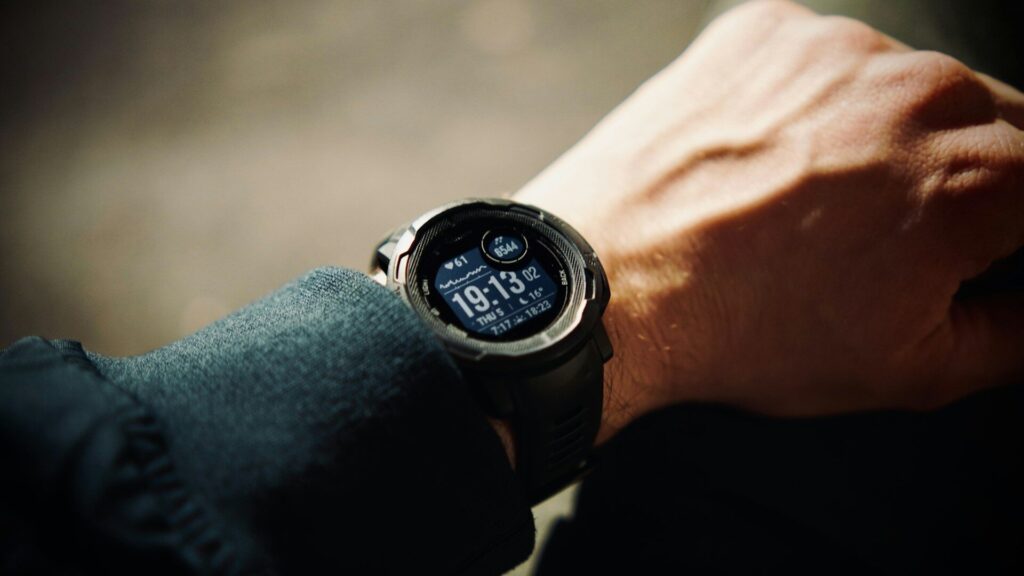
Your heart does not beat like a metronome. The time between beats shifts by a few milliseconds all the time, and that variation is called heart rate variability, or HRV. Wearables now track it every night, and it has become one of the most useful numbers for understanding recovery.
What HRV Measures
HRV is the variation in time between consecutive heartbeats, measured in milliseconds. It reflects the balance between two parts of the nervous system:
- Rest and recover side: tends to raise HRV when you are relaxed and well rested.
- Fight or flight side: tends to lower HRV during stress, illness or hard training.
In general, a higher HRV compared with your own normal suggests your body is ready for effort, and a lower one suggests it needs rest.
Why Your Baseline Matters Most
HRV varies widely between people because of age, genetics and fitness. Comparing your number with a friend’s says very little. What matters is how today compares with your own average over recent weeks.
Quick answer: watch your HRV trend against your personal baseline, not the absolute number.
What Raises and Lowers HRV
The table below lists common influences.
| Tends to Lower HRV | Tends to Support HRV |
|---|---|
| Short or poor sleep | Consistent, sufficient sleep |
| Alcohol, especially in the evening | Limiting late alcohol |
| Illness or fever | Rest during illness |
| Very hard training without recovery | Balanced training load |
| Ongoing stress | Relaxation and regular breathing breaks |
How Wearables Measure and Use HRV
- The optical sensor records the timing of each beat, usually while you sleep, when readings are most stable.
- The device calculates an HRV value, often an overnight average.
- It compares that value with your baseline built over several weeks.
- Recovery or readiness scores combine HRV with sleep and resting heart rate.
Different brands use slightly different formulas, so numbers from two devices are not directly comparable. Our guide on how optical heart rate sensors work explains the sensor behind these readings.
Using HRV in Daily Life
- HRV near or above baseline: a good day for a hard workout.
- HRV below baseline for a day: consider an easier session.
- HRV low for several days: look at sleep, stress, alcohol or a possible illness.
- Long-term rise: often a sign that fitness and recovery habits are improving.
Apps such as Garmin Connect and Zepp show HRV next to sleep and readiness scores.
Final Thoughts
Heart rate variability is a window into how well your body is recovering. Track it overnight, compare it with your own baseline, and use the trend to decide when to push and when to rest.
Smart rings and watches both track HRV well. Compare options in our smart rings section.
FAQs
What is a good HRV?
A good HRV is one that is steady or rising compared with your own baseline. Healthy ranges differ widely between people.
Why is my HRV low today?
Poor sleep, alcohol, stress, illness or hard training are common causes. One low day is normal.
Is higher HRV always better?
Usually, relative to your own baseline. Sudden unusual spikes can also reflect illness, so watch trends.
Can I compare HRV between brands?
Not directly, since brands use different methods. Stick with one device for trends.


Write Your Review
No reviews yet. Be the first to share your experience!