

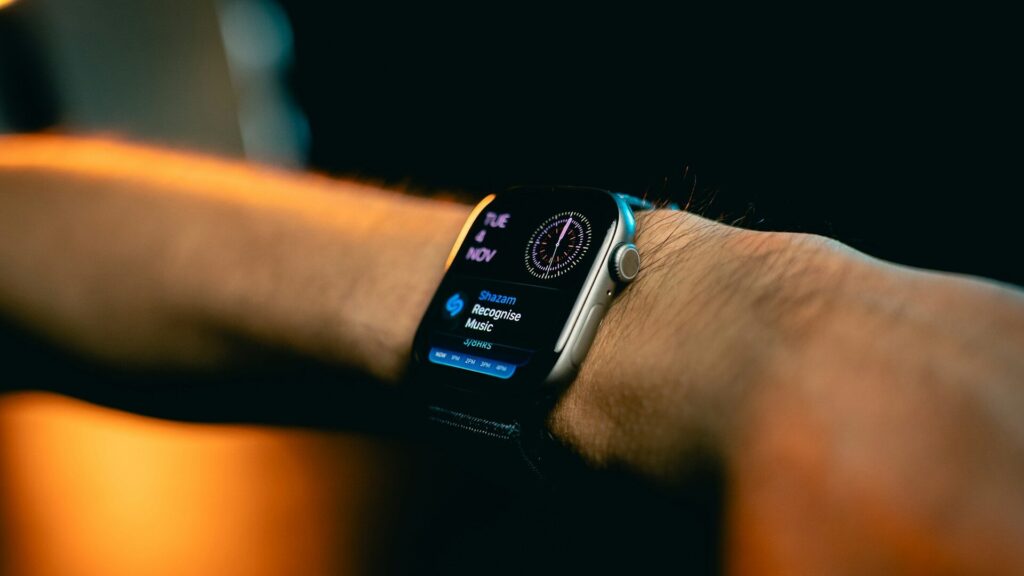
Many people wonder if they should charge their smartwatch every night or wait until the battery runs low. The short answer: nightly charging is fine for most watches. What wears a battery faster is heat, deep drains to zero and hours spent sitting at a full charge. A few habits can help your watch hold its charge for years.
How Watch Batteries Age
Smartwatches use lithium-ion batteries. Each one slowly loses capacity with every charge cycle, and the rate depends on how it is treated. A cycle is one full charge’s worth of use, so two half charges count as one cycle, not two.
| Habit | Effect on Battery Health |
|---|---|
| Charging in a warm room or under a pillow | Speeds up wear the most |
| Draining to zero often | Adds extra stress |
| Sitting at 100 percent for hours | Adds mild wear over time |
| Short top-ups through the day | Gentle, no harm |
| Keeping charge between about 20 and 80 percent | Gentlest pattern |
What Optimized Charging Does
Many watches now learn your routine. Apple Watch has Optimized Battery Charging, which holds the charge near 80 percent overnight and finishes just before you usually take it off. Other brands offer similar settings in their apps. Turn this on if your watch has it, since it removes most of the worry about overnight charging.
Some watches also let you set a charging limit or pause at 80 percent while the watch learns your habits. The setting usually lives in the battery section of the watch or its companion app. If your schedule changes often, such as with shift work, the feature may finish charging later than you expect, so a manual top-up in the morning still works well.
A Simple Routine by Watch Type
- One to two day watches (Apple Watch, Galaxy Watch, Pixel Watch): charge daily, but consider moving the charge to the morning or the evening shower so you can wear it for sleep tracking.
- Multi-day watches (most Garmin and Amazfit models): charge when the battery drops to around 20 to 30 percent, not every night.
- Smart rings and bands: top up every few days during a quiet hour at your desk.
Our guide on settings that improve battery life can help a daily-charge watch stretch further.
Charging Habits to Avoid
- Charging on a sunny windowsill, in a car or under bedding.
- Using damaged cables or unknown cheap chargers.
- Letting the watch sit at zero for weeks in a drawer.
- Playing music or using GPS for long periods while charging, which adds heat.
Dirty contacts also make charging less efficient. Our article on cleaning a smartwatch safely covers the back sensors and pins.
Planning for the Long Term
If you plan to keep your watch for several years, small habits add up. Store a spare watch at about half charge, keep it out of heat and check its battery health screen if it has one. Our tips on caring for your watch after swimming also help protect seals around the charging area.
Final Thoughts
Charge your smartwatch whenever it suits your routine, turn on optimized charging, and keep it cool while it charges. Avoid deep drains and heat, and your battery will age slowly. For more maintenance advice, browse our care and maintenance guides.
FAQs
Does charging overnight damage a smartwatch battery?
Not in a meaningful way for most people. Turn on optimized charging if available and keep the charger in a cool spot.
Should I let my watch die before charging?
No. Lithium-ion batteries prefer partial charges, so top up before it reaches zero.
When is the best time to charge if I track sleep?
In the morning or evening, while you shower or get ready. A short daily top-up usually covers the next night.



Write Your Review
No reviews yet. Be the first to share your experience!