

Fall detection is one of the features that turns a smartwatch into a safety device. When it works, the watch notices a hard fall, checks on you and calls for help if you do not respond. But how does a small device on your wrist know the difference between a real fall and flopping onto the couch? Here is what happens behind the screen.
The Sensors Involved
- Accelerometer: measures sudden changes in speed and direction, like a rapid drop and impact.
- Gyroscope: tracks rotation, such as the wrist turning as you go down.
- Barometer, on some watches: notices a quick change in height.
- Heart rate and stillness: help the watch judge what happens after the impact.
How the Watch Decides
Makers trained their software on motion data from real falls and everyday activities. The watch looks for a pattern: a fast drop, a sharp impact, the wrist moving in a falling arc and then a period of little movement. If all the signs line up, it triggers an alert. If you get up and walk away right after, it may not alert at all.
What Happens After a Fall Is Detected
| Stage | What the Watch Does | What You Can Do |
|---|---|---|
| Right after impact | Taps your wrist and shows an alert | Tap “I’m OK” to dismiss |
| About 30 to 60 seconds of no response | Starts a countdown with loud alarm | Cancel if you are fine |
| Countdown ends | Calls emergency services | Speak through the watch |
| After the call | Messages emergency contacts with location | Contacts can call you back |
Exact timing and steps differ by brand. Setting up contacts is covered in our guide to setting up fall detection for an older parent.
Why False Alarms Happen
High-impact activities can look like falls: clapping hard, hitting a heavy bag, mountain biking or dropping onto a bed. Most watches let you dismiss these quickly, and some offer a workout-only mode for sports. If you get frequent false alerts during one activity, start a workout for that sport, which can change how sensitive the watch is.
What Fall Detection Can Miss
Slow, sliding falls, such as slipping down a wall or sinking to the floor from a chair, may not create a sharp enough impact. A watch that is off the wrist, on the charger or out of battery cannot help at all. It also needs a connection, either through the phone or its own cellular service, to call for help. That is why charging habits and a cellular model matter for people who live alone.
Final Thoughts
Smartwatch fall detection combines motion sensors with software trained on real falls. It spots hard, sudden drops well, can mistake rough activities for falls and may miss slow slides. Treat it as a strong safety net, not a guarantee, and pair it with Emergency SOS and up-to-date contacts. Read our guide to Emergency SOS and Medical ID next, or compare trackers for seniors.
FAQs
Can fall detection go off by accident?
Yes, during hard impacts like boxing or clapping. You can dismiss the alert before it calls.
Does fall detection work while sleeping?
It can, if the watch is worn and the feature is set to always on. Falls out of bed are often slow, so detection may vary.
Do fitness bands have fall detection?
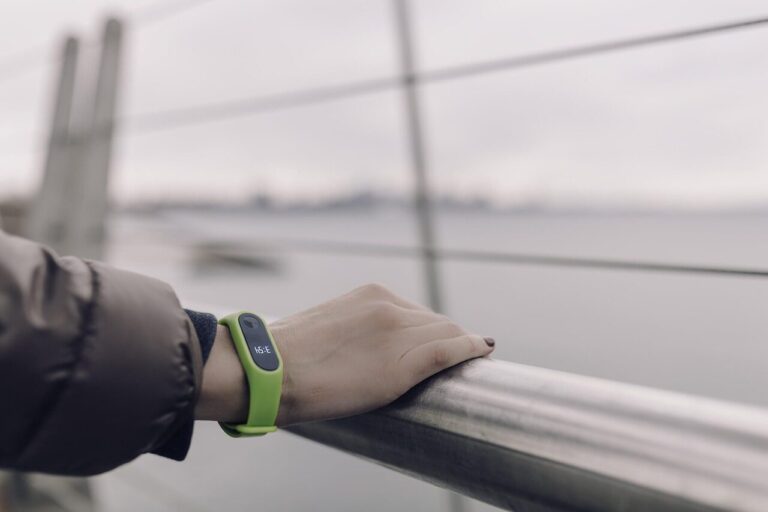
Few do. It is mostly found on full smartwatches.

Write Your Review
No reviews yet. Be the first to share your experience!