

Wrist heart rate readings are usually close enough for daily tracking, but sometimes the numbers look strange: a spike while you walk slowly, a flat line during intervals, or a resting value that seems far off. In most cases the sensor is fine. The light it shines into your skin is simply getting a poor signal.
How the Sensor Reads Your Pulse
Optical sensors shine green light into your skin and measure how much bounces back as blood pulses through. Anything that blocks the light or adds motion confuses the reading. Our guide on how optical heart rate sensors work explains the method in more detail.
Common Causes and Quick Fixes
| What You See | Likely Cause | Fix |
|---|---|---|
| Readings match your running cadence | Cadence lock from arm swing | Tighten the band during runs |
| Slow response at the start of intervals | Wrist sensors lag fast changes | Use a chest strap for intervals |
| Low or patchy readings outdoors in winter | Cold skin, less blood flow | Warm up first, wear the watch under a sleeve |
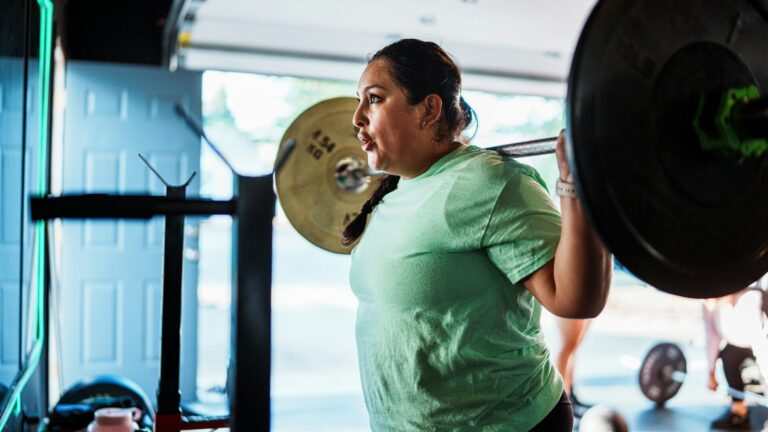
| Jumps while lifting weights | Wrist flexing moves the sensor | Wear the watch higher on the arm |
| Gaps or odd values all day | Loose fit or dirty sensor | Clean the back and adjust the band |
Get the Fit Right
- Wear the watch about a finger width above your wrist bone.
- Make it snug enough that it does not slide, but not so tight that it leaves deep marks.
- Tighten it one notch for workouts, then loosen it afterward.
- Try the other wrist if one side gives poor readings.
See our full guide on how to wear your fitness tracker for accurate heart rate for photos of the right position.
Skin, Tattoos and Hair
Dark ink in a wrist tattoo can absorb the sensor’s light and block the signal. Very hairy wrists, lotion and sweat residue can also reduce accuracy. If you have a tattoo there, move the watch to the other wrist or higher up the arm. Clean the sensor window regularly, as our guide to cleaning a smartwatch shows.
When to Use a Chest Strap
Chest straps read the heart’s electrical signal directly and react instantly to changes in effort. They are the best choice for sprints, intervals, boxing, rowing and weight training. Most watches can pair one over Bluetooth or ANT+, and the watch will use the strap’s data instead of the wrist sensor while it is connected.
Check Your Settings
Wrong age, weight or maximum heart rate in your profile will not change the raw reading, but it will shift zones, calorie burn and training load. Update your profile and restart the watch after big software updates. If readings stay wrong even with a good fit, contact the maker, since a damaged sensor window is rare but possible.
Final Thoughts
Most wrong heart rate readings come from fit, motion, cold or something blocking the light. Adjust the band, keep the sensor clean and use a chest strap for hard intervals. For more fixes, browse our troubleshooting guides.
FAQs
Why does my watch show my running cadence as my heart rate?
That is cadence lock. The sensor picks up the rhythm of your arm swing, so tighten the band or use a chest strap.
Are wrist heart rate monitors accurate at rest?
Yes, they are usually very close at rest and during steady activity. Errors mostly appear during fast changes in effort.
Does a wrist tattoo affect heart rate tracking?
It can. Dark ink absorbs the sensor’s light, so wear the watch on the other wrist or above the tattoo.

Write Your Review
No reviews yet. Be the first to share your experience!