

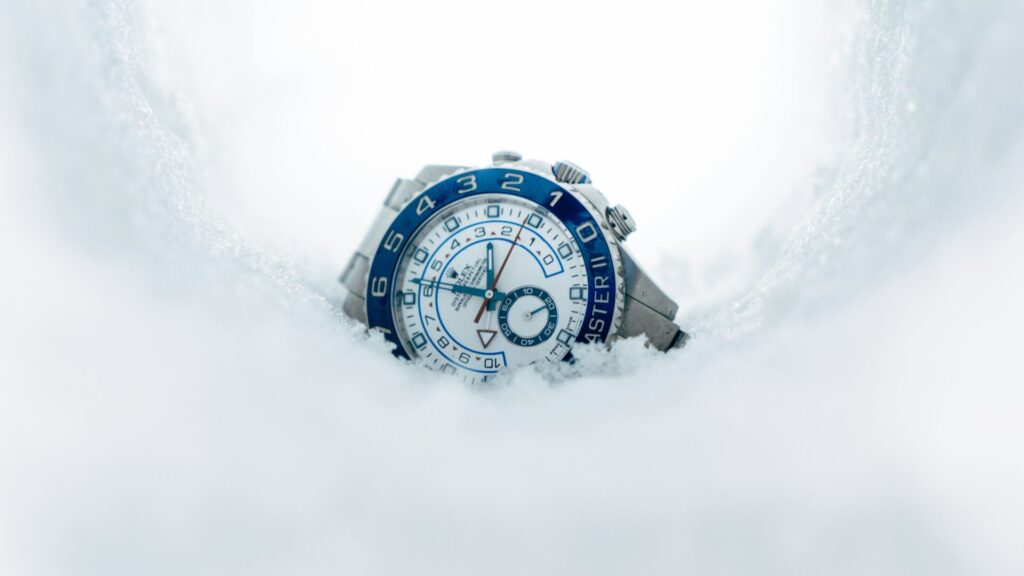
Cold weather makes smartwatch batteries drain faster and can slow touchscreen response, while heat speeds up long-term battery wear and can trigger temperature warnings. Most watches are designed to work roughly between freezing and summer heat, with storage limits a little wider. Wearing the watch under a sleeve in winter and keeping it out of hot cars and direct sun in summer prevents most problems.
What Cold Does
- Faster battery drop: lithium batteries deliver less power when cold, so the percentage can fall quickly. It usually recovers once the watch warms up.
- Sluggish touch: screens can respond slowly, and gloves block touch input.
- Weaker heart rate readings: cold skin has less blood flow at the surface, which can make optical readings less reliable.
Read more in why your heart rate readings look wrong.
What Heat Does
- Battery aging: repeated exposure to high heat wears batteries faster over time.
- Temperature warnings: some watches pause charging or limit features when too hot.
- Adhesive and seal stress: extreme heat can weaken seals that keep water out.
Common Situations and What to Do
| Situation | Risk | What to Do |
|---|---|---|
| Winter run or ski day | Fast battery drop, slow touch | Wear the watch under a sleeve, use buttons |
| Car parked in summer sun | Overheating | Never leave the watch on the dashboard |
| Sauna or hot tub | Heat and steam beyond limits | Take the watch off |
| Charging in a hot room | Charging pauses, extra wear | Charge in a cool spot |
| Coming inside from the cold | Condensation | Let it warm up before charging |
Why the Battery Percentage Jumps Back
Many owners see the battery drop sharply on a cold walk, then climb again indoors. The charge was not lost; the cold battery simply could not deliver it, and the watch estimated a lower level. Once it warms, the reading recovers. Repeated deep cold does not usually harm the battery, but charging while it is very cold can, which is why waiting for it to warm up matters.
Winter Habits
- Wear the watch under your jacket cuff to keep it warm.
- Start the day with a full charge before long outdoor activities.
- Use physical buttons or a wrist gesture when wearing gloves.
- Let a cold watch warm to room temperature before charging.
For more battery care, see how to extend your smartwatch battery lifespan.
Sensor Readings in Extreme Weather
Cold weather also affects data, not just battery. Optical heart rate sensors need good blood flow near the skin, which drops when your wrist is cold, so readings can lag or jump during winter runs. Barometric altitude can drift as weather fronts move through, and touchscreens may not register light taps. A snug fit under a sleeve helps the heart rate sensor, and calibrating altitude at a known point fixes elevation drift. In summer heat, sweat between the sensor and skin can cause similar errors, so wipe the back of the watch on long sessions.
Summer Habits
Keep the watch out of direct sun when not wearing it, charge it in a cool room and take it off before saunas and hot tubs. After sweaty summer workouts, rinse and dry it; see how to clean your smartwatch. Water ratings do not cover heat and steam; check IP68 vs 10 ATM.
Final Thoughts
Cold mostly causes temporary battery drops and slow screens; heat causes lasting battery wear. Keep the watch warm under a sleeve in winter and cool and shaded in summer.
FAQs
Why does my smartwatch battery drop in the cold?
Cold batteries deliver less power. The charge usually returns as the watch warms.
Can I wear my smartwatch in a sauna?
It is best not to. Heat and steam exceed most watch limits.
Is it safe to charge a cold watch?
Let it warm to room temperature first. This avoids condensation and battery strain.
Write Your Review
No reviews yet. Be the first to share your experience!