

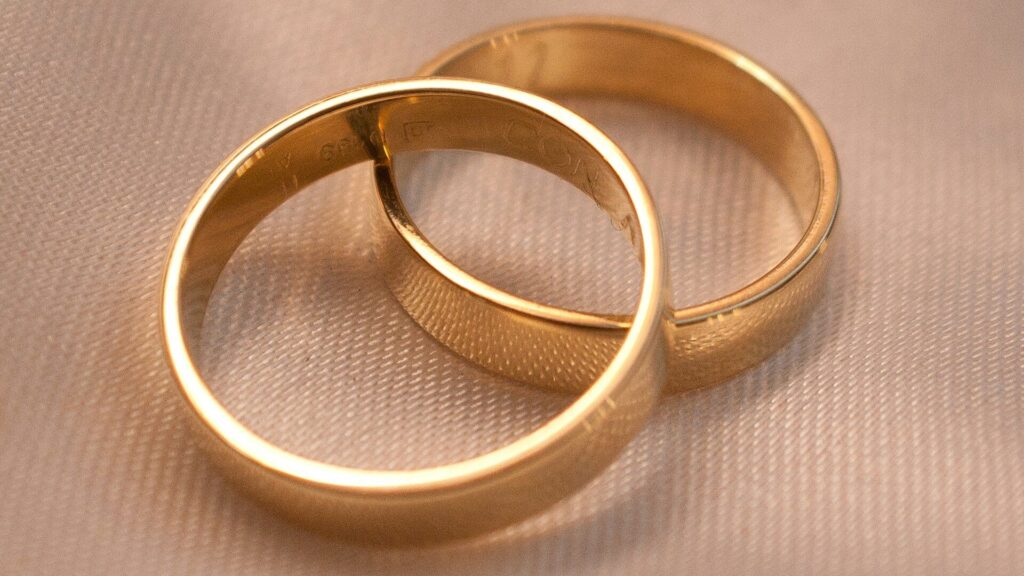
Smart rings are built for the night. They are light enough to forget, they sit on a finger with strong blood flow, and many last close to a week per charge. If you want a smart ring for sleep and recovery, the details below matter more than marketing claims about how many metrics a ring can show.
Sensors That Matter for Sleep
- Optical heart rate and HRV: the core of sleep stages and recovery scores. Our HRV explainer shows why this signal matters.
- Skin temperature: tracks nightly changes against your own baseline.
- Blood oxygen: shows overnight variation on most rings.
- Motion sensor: helps separate light sleep, deep sleep and time awake.
Most current rings include all four, so focus on how well the app turns them into clear advice.
Key Specs to Compare
| What to Check | Why It Matters | What to Look For |
|---|---|---|
| Sizing kit | A loose ring gives poor readings | A free or included sizing kit |
| Battery life | Fewer missed nights | About 5 days or more |
| Phone support | Some rings work with one platform only | Works with your phone today and your next one |
| Membership | Some insights may be paid | Clear list of free and paid features |
| Finish | Daily wear and scratches | Titanium with a coating you like |
Get the Size Right
Sizing is the step people skip most, and it decides how good your data will be. Use the brand’s own sizing kit, because ring sizes differ between brands. Wear the sample for a full day and night, since fingers swell in the evening and after exercise. Most makers suggest the index finger for the best signal. Our smart ring buying guide and ring size calculator walk you through it.
Check the App and Fees
The app is where a ring proves its value. Look for a simple morning summary, trends over weeks and advice you can act on. Then check what is free. Some brands require a monthly membership for full sleep and readiness insights, while others include everything with the ring. Our roundup of smart rings for sleep tracking compares free and paid features side by side.
Comfort for Every Night
Thinner, lighter rings are easier to sleep in. A slightly flat inner side can keep the sensors in place better than a perfectly round one. If you lift weights or work with your hands, consider a scratch-resistant finish or plan to take the ring off for those tasks.
Think about the hours around sleep too. A ring that is water resistant can stay on in the shower, which keeps your data unbroken. Charging is easier if the dock is small enough to sit on your desk, so you can top up during a quiet hour in the afternoon instead of losing a night of tracking.
Final Thoughts
Pick a smart ring that fits well, works with your phone and shows clear sleep and recovery advice without surprise fees. Size it with the brand’s kit, wear it on the recommended finger and give it two weeks to learn your baseline. Once it is set up, our guide on setting up a smart ring for accurate sleep data helps from night one.
FAQs
Which finger should I wear a smart ring on for sleep?
Most makers suggest the index finger. The middle and ring fingers also work if the fit is snug and comfortable.
How long does a smart ring take to learn my sleep?
About one to two weeks. Scores become more meaningful once the ring has built your personal baseline.
Do all smart rings need a subscription?
No. Some rings include all features, while others keep deeper insights behind a monthly membership.


Write Your Review
No reviews yet. Be the first to share your experience!