


You wake up feeling rested, but your watch says you barely slept. Or it logs you asleep during an hour of reading in bed. Wearable sleep tracking is an estimate built from motion and heart rate, and a few common situations confuse it. Most can be fixed with fit, settings and small habit changes.
How Wearables Guess Sleep
Your device watches for long periods of stillness, a slower and steadier heart rate and changes in heart rate variability. From these, it estimates when you fell asleep and which stage you were in. It cannot see brain waves, so it can mistake quiet rest for sleep, or restless sleep for being awake. Our guide on how wearables track sleep stages explains this in depth.
Common Problems and Fixes
| What You See | Likely Cause | Fix |
|---|---|---|
| Asleep while reading or watching TV | Lying very still | Edit the start time, or use bedtime mode when you actually try to sleep |
| Lots of short awakenings | Loose fit, arm movement | Wear it snug, one finger above the wrist bone |
| Missing nights | Low battery or sync failure | Charge before bed, open the app in the morning |
| Very little deep sleep | Estimate limits, late alcohol or heavy meals | Watch the weekly trend, not one night |
| Nap not recorded | Too short for the device | Many devices need 30 minutes or more |
Fit and Placement
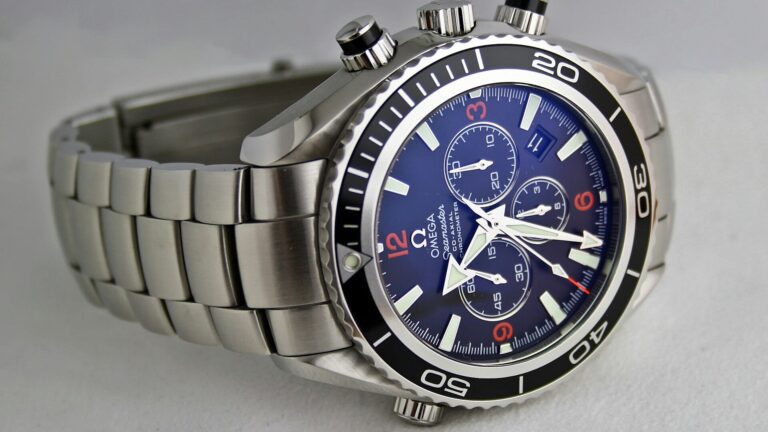
A loose band lets the sensor shift and lose contact, which looks like movement or a lost heart rate signal. Tighten it one notch at night, or switch to a soft fabric band. Smart rings often read sleep well because they stay snug. See how to wear a fitness tracker for placement tips.
Settings Worth Checking
- Sleep mode or bedtime schedule: helps the device know when you plan to sleep.
- Sensitivity setting: some apps offer normal or sensitive sleep detection.
- One sleep source: if you wear a watch and a ring, pick one as the main source in Apple Health or Health Connect.
- Time zone: after travel, sync the phone so nights do not split.
When Data Goes Missing
Missing nights usually come from a dead battery or a failed sync, not the sensor. Charge before bed if the battery is under about 30 percent, and open the app each morning. Ring owners should check our guide on smart rings not syncing sleep data.
Final Thoughts
Wearable sleep tracking estimates sleep from stillness and heart signals, so quiet reading can look like sleep and a loose band can look like waking. Wear it snug, set a bedtime schedule, choose one sleep source and focus on weekly trends. To plan your bedtime, try our sleep calculator, and see readiness scores explained for how sleep feeds your daily score.
FAQs
Why does my watch think I am asleep when I am reading?
You are lying very still with a calm heart rate. Edit the start time or use bedtime mode.
Are sleep stages on a watch accurate?
They are estimates. Total sleep time is usually more reliable than stage breakdowns.
Is a smart ring better for sleep tracking?
Many people find it more comfortable and stable at night. Accuracy still depends on fit.

Write Your Review
No reviews yet. Be the first to share your experience!